
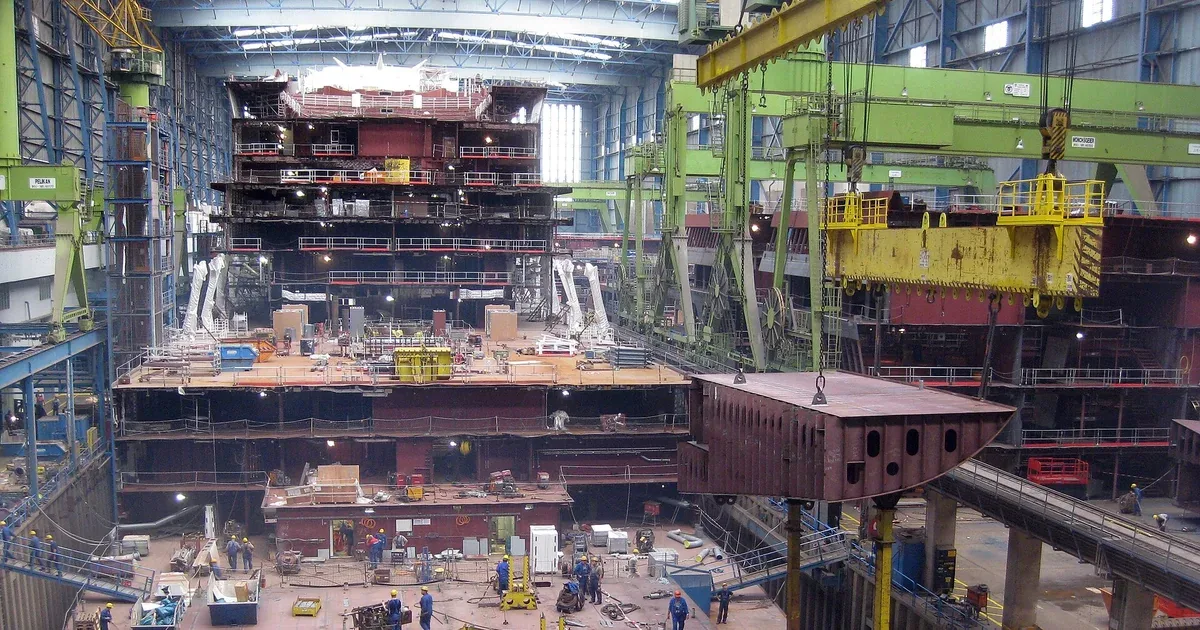
Ship project management explained: who does what between owner, yard and class, the six dates that drive a newbuild, and the controls that keep it on time.
Shipbuilding project management is the discipline of delivering one vessel, or a short series, to a contract: a fixed specification, a fixed price in most commercial work, and a delivery date with money attached to it. It borrows its tools from general project management, such as the work breakdown structure, critical path scheduling, earned value and risk registers, but it applies them inside a set of rules that no office or IT project has to deal with. Class surveyors sit inside the schedule. Payments fall due on physical events. The date a keel is laid can decide which edition of the international rules the ship must meet.
This page is the map: what is different about managing a ship project, who the parties are, which areas a project manager runs at the same time, and which dates matter most. Each section links to the page that covers the subject in depth.
What the term covers, and what it does not
"Ship project management" is used for three kinds of work, and it helps to know which one you are in.
Newbuilding is the main case and the one this guide follows: a yard designs or completes the design of a vessel, buys the equipment, builds the hull in blocks, outfits it, tests it and hands it over.
Repair, conversion and drydocking projects are shorter and more compressed. The scope is partly unknown until the hull is opened up, and the dock days are the constraint. The planning logic is different enough to need its own treatment, which our guide to planning a ship repair drydocking covers, from the repair specification to the docking schedule. The contract for such a job can start from the Ship Repair Agreement Template.
Naval programs follow the same physical sequence but add a government acquisition process on top, with its own milestones, contract types and reporting rules. The FAQ at the end of this page explains how that changes the job.
The term is also confused with ship management, the technical, crewing and commercial management of ships already trading. That is an operating business, not a project; the two meet at delivery.
How it differs from general project management
The textbook processes still apply. What changes is the environment around them.
The contract sets the frame before planning starts. Most commercial newbuilds are sold at a fixed price with a contractual delivery date, performance guarantees and liquidated damages for lateness or shortfalls in speed, deadweight or fuel consumption. Our explainer on how a shipbuilding contract works walks through each of these clauses. For a blank starting draft with these clauses as fields, see the Shipbuilding Contract Template (Newbuilding). For the project manager, the consequence is that scope and time are not free variables to trade against each other. They are written down, and changing them is a formal commercial event.
Payments follow physical events. The price is usually paid in instalments tied to stages such as contract effectiveness, steel cutting, keel laying, launching and delivery. In one set of contracts examined by the English Commercial Court in 2026, the steel cutting and keel laying instalments each fell due only after the buyer had received a certificate from the classification society confirming the event, and no pre-delivery instalment was payable until the yard's bank had issued a refund guarantee. The schedule therefore drives cash flow for both sides, and the dates of those events are scrutinized in a way that ordinary progress milestones rarely are.
Third parties sit inside the schedule. The classification society approves drawings before they are used and surveys the work as it is built. Under the IACS requirement for hull surveys of new construction (UR Z23), class and the shipbuilder hold a kick-off meeting before surveys begin to agree how each inspection activity will be handled, and class surveyors then patrol the work, review records and witness scheduled inspections set out in the yard's inspection and test plans. A plan that ignores approval lead times or survey attendance is not a real plan.
Rule dates are project dates. Which class rules apply depends on the contract date, and many IMO construction requirements depend on the keel laying date. A slip in either can change the rulebook the ship has to be built to. The regulatory trigger dates article explains the three-date test and lists the changes coming into force over the next few years.
Capacity is shared and physical. A yard's docks, berths, cranes and steel shops serve several hulls at once. A delay on one ship can block the dock for the next. Project scheduling in a yard is always partly portfolio scheduling.
Design and production overlap. Detail design, procurement and steel production run in parallel, so engineering has to release information in the order production needs it.
There are two project managers and two views of the same schedule. The yard owns the production schedule and the cost of building to it. The owner's team watches that schedule, approves drawings, attends tests and protects the owner's interest in quality and the delivery date. Both are doing project management, with different questions in mind.
Who does what
The table below sets out the usual parties on a commercial newbuild and what each one controls. Titles vary by yard and by owner, and on smaller projects one person may hold two of these roles.
| Party | Main responsibility | What they control | Documents they own or sign |
|---|---|---|---|
| Owner (buyer) | Defines the ship, pays the price, accepts delivery | Specification changes, approval of plans, acceptance | Contract, specification, variation order approvals, protocol of delivery and acceptance |
| Owner's site team | Represents the owner at the yard day to day | Plan comments, attendance at tests and trials, punch lists | Comment sheets, inspection records, progress reports to the owner |
| Yard project manager | Delivers the ship to contract, on time and within the yard's budget | Production schedule, yard resources, subcontractors, cost | Master schedule, progress reports, variation order proposals, ITPs |
| Designer and naval architect | Turns requirements into approved drawings and production information | Basic and detail design, weight and stability calculations | Drawing list, class drawing submissions, design change records |
| Classification society | Approves design and surveys construction against its rules | Plan approval, survey attendance, class certificates | Approved drawings, survey reports, steel cutting and keel laying confirmations, class certificate |
| Flag administration | Applies statutory requirements for the flag the ship will fly | Statutory certificates, interpretations; often delegates surveys to a recognized organization, in practice a classification society | Statutory certificates at delivery |
| Makers and subcontractors | Supply equipment and services to the yard | Equipment design data, delivery dates, commissioning support | Purchase orders, vendor drawings, factory acceptance test records |
Our article on stakeholder management between owner, yard and class looks at where information asymmetry and schedule pressure create conflict and how a RACI matrix helps. The contract itself gives the owner's team its standing: a NEWBUILDCON-based contract filed publicly with the US Securities and Exchange Commission, for example, lets the buyer station a representative and assistants at the yard and attend tests, trials and class inspections, with the yard obliged to give notice.
The lifecycle at a glance
A newbuild runs through a recognizable sequence: concept and feasibility, contract and basic design, detail engineering and procurement, construction and assembly, launching and outfitting, testing and sea trials, then delivery and the guarantee period. The project manager's job changes from phase to phase, from commercial judgment at the start to sequencing discipline in the middle and risk triage near the end. The phases are described one by one in our lesson on the shipbuilding project lifecycle, so this guide does not repeat them.
Two points matter for management. The critical path is often set early, by long-lead order dates and the release of steel production information. And the work between contract and keel laying decides whether the schedule rests on solid ground. Our article on planning a new shipbuilding project from contract to keel laying covers that period in detail: mobilizing the team, the first WBS, engineering release and why the first schedule should not become the baseline.
If you are searching for "ship lifecycle management", note that the phrase usually means more than the build. It covers the whole life of the vessel: design, construction, decades of operation and drydocking, and finally recycling. Our ship lifecycle management guide follows the ship through that whole life, from the survey cycle to retrofits and recycling.
The management areas
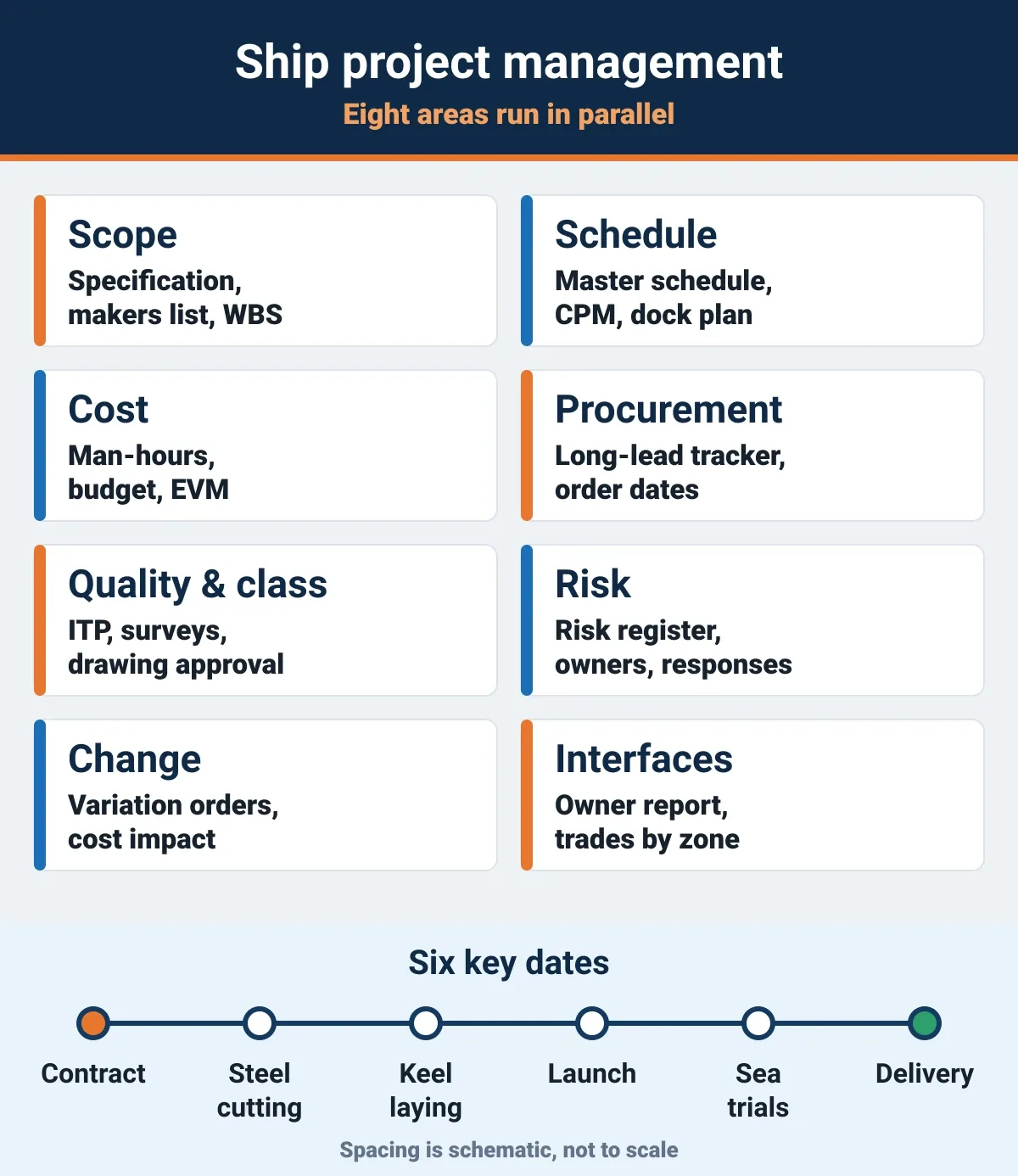
A shipbuilding project manager runs the first eight areas below at once for most of the project; trials and delivery close it out. They are separate disciplines with separate documents, but they feed each other: a late drawing becomes a late block, and a late block becomes a cost and contract problem.
Scope: specification, makers list and work breakdown
Scope on a ship is defined by the contract specification, the general arrangement and other contract plans, and the makers list that names acceptable equipment suppliers. Everything the yard builds, and everything the owner can later claim was promised, traces back to these documents.
To plan and cost the work, the scope is broken down. There are two broad traditions. System-based breakdowns group the ship by function: the US Defense Department's work breakdown standard, MIL-STD-881, splits a ship into hull structure, propulsion plant, electric plant, command, communication and surveillance, auxiliary systems, outfit and furnishings, and armament, plus integration and assembly, and refers users to the Navy's Expanded Ship Work Breakdown Structure (ESWBS) below that level. Product-based breakdowns, developed at the Japanese shipbuilder IHI and documented for US yards by the National Shipbuilding Research Program as the Product Work Breakdown Structure, group work by the interim products a yard actually makes, such as parts, blocks and zones, and integrate hull construction, outfitting and painting. Our lesson on how to build a WBS for a shipyard newbuild shows how to set one up.
Schedule: master schedule, critical path and dock capacity
The master schedule ties engineering, procurement, block production, erection, outfitting, testing and trials into one network with a contractual delivery date at the end. Critical path method is the core technique; our lesson on CPM scheduling for shipbuilding applies it to a hull. The erection sequence of blocks on the berth or in the dock is usually the backbone of the construction schedule, and the hull block construction sequencing article shows how block logic and the critical path interact.
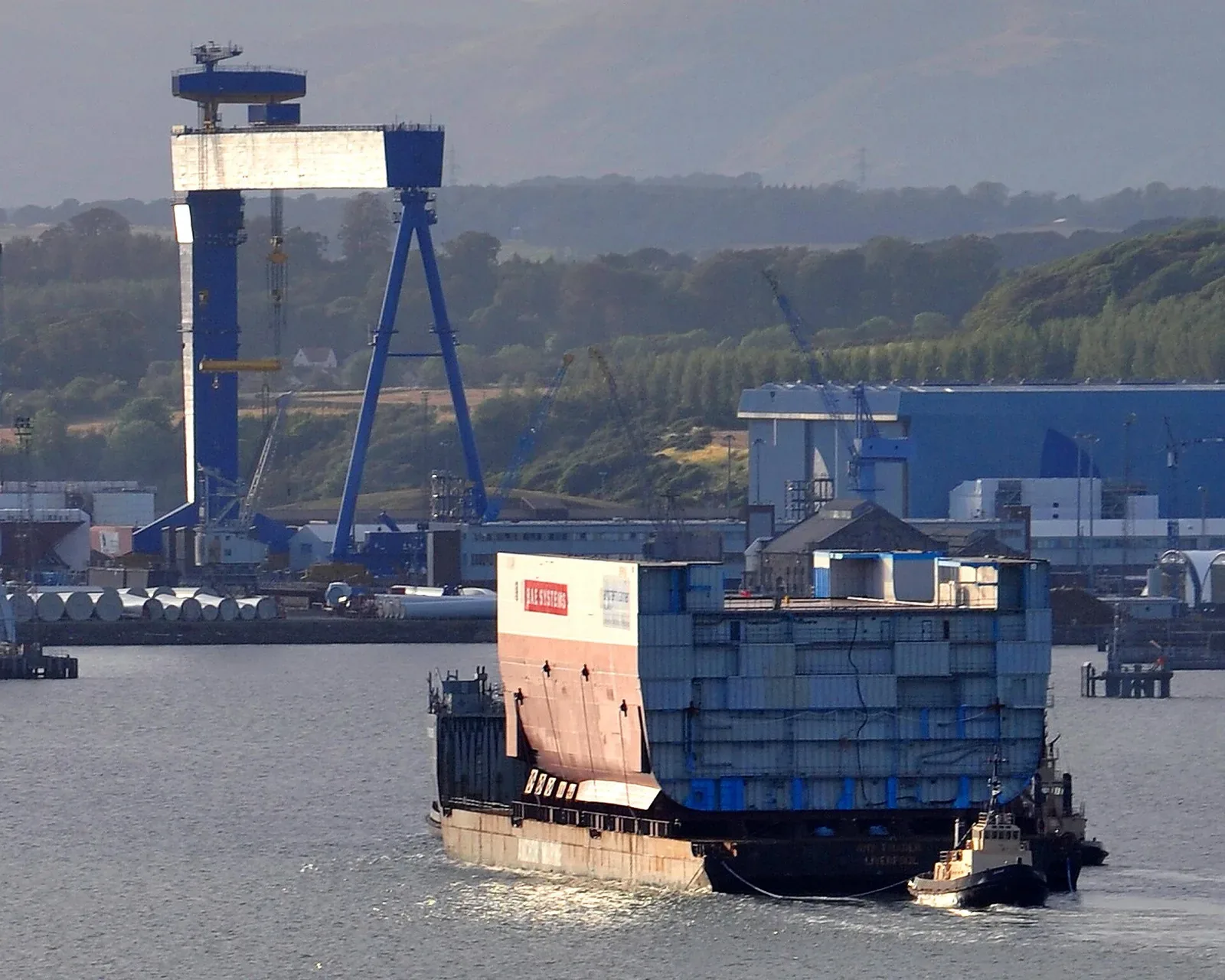
At yard level, schedules for several hulls compete for the same docks, berths and cranes. That is the core of what people mean by shipyard planning, and it is covered in our lesson on drydock and berth planning basics.
If your schedules are built or exchanged in Microsoft Project, see our guide to MS Project for shipbuilding schedules for the mechanics of baselines, views and progress updates.
Cost: man-hours, budgets and earned value
On the yard side, labor and subcontracted work are planned and controlled in man-hours. Estimating those hours from steel weight, outfitting quantities and productivity norms, and loading them against available crews, is the starting point for both the budget and the schedule. Our lesson on estimating man-hours and loading resources explains the method.
Earned value management then compares three numbers at each reporting date: planned value (the budgeted cost of work scheduled), earned value (the budgeted cost of work actually done) and actual cost. The cost performance index is earned value divided by actual cost, and the schedule performance index is earned value divided by planned value; below 1.0 means over cost or behind schedule. The value of the method in a yard depends on measuring physical progress honestly, which is harder on outfitting than on steel. The lesson on earned value management on a shipyard project works through the calculations with yard examples.
Procurement and long-lead equipment
Main engines, propellers and shafting, generators, switchboards and specialized mission equipment can have lead times that exceed the time between contract and installation. Their order dates, and the vendor drawings that engineering needs before it can finish the machinery spaces, often set the early critical path. Procurement in shipbuilding is therefore schedule management first and purchasing second: each item needs a latest safe order date worked backwards from its installation date. Our article on procurement and supply chain for major ship equipment covers sourcing strategies, makers lists and latest order dates.
Quality, class surveys and the inspection and test plan
Quality on a newbuild is managed through the yard's own quality system and through classification surveys running alongside it. UR Z23 requires the hull quality standard to be agreed at the kick-off meeting, either IACS Recommendation 47 or a recognized fabrication standard that class has accepted. The inspection and test plan (ITP) then lists each inspection, who attends (yard quality, owner, class) and which points are hold points that work cannot pass without sign-off. The quality assurance and classification society surveys article explains how survey activity is organized, and our free inspection and test plan template gives a starting structure.
Risk
Shipbuilding risks are well known in type: late drawings, late long-lead deliveries, rework after class comments, first-of-type design immaturity and labor shortages. A risk register earns its place only if each risk has an owner, a trigger and a response that is actually funded or scheduled. Our article on risk management in shipyard newbuild projects covers the process and the typical register entries.
Change and variation orders
Newbuilds change during construction: owners refine requirements, rules change, or the yard proposes alternatives. The contract defines how a change is handled. In the NEWBUILDCON-based contract mentioned above, the buyer requests a change in writing, the builder replies with its effect on price, delivery date and specification, and the buyer then decides whether to proceed. Work that proceeds before the variation is priced is hard to value later, so the price and schedule effect should be agreed first wherever the contract allows it. The change order and variation order article explains the process and how to calculate cost impact, including schedule effects.
Interfaces and reporting
A ship is full of interfaces: between blocks, between trades working in the same space, between yard and makers, and between yard, owner and class. Many of them are managed through the outfitting process, where piping, electrical, HVAC and accommodation work have to be sequenced zone by zone; our article on ship outfitting and coordinating the trades covers the stages and zones.
Reporting is how the parties see the same picture. A weekly report to the owner works best when it shows physical progress against plan, the near-term critical path, open decisions and open risks, rather than a narrative. The lesson on measuring progress and writing the weekly owner report was written for yacht builds, but its structure fits any newbuild.
Trials and delivery
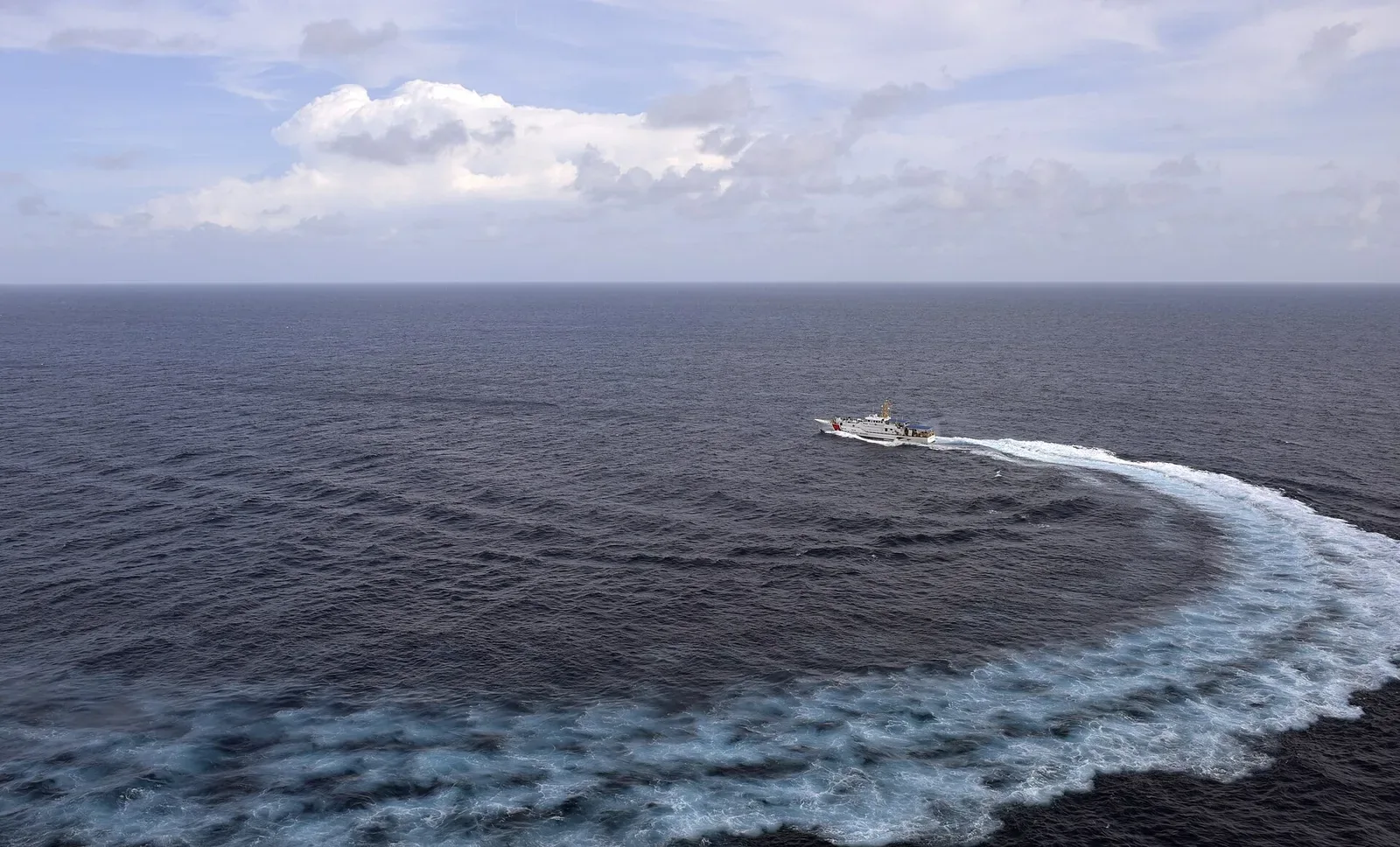
Testing runs from equipment tests at the makers' works, through harbor or dock trials at the yard, to sea trials where speed, consumption, maneuvering and endurance are demonstrated against the contract. In the contract filed with the SEC, sea trials are witnessed by class and regulatory representatives, the yard gives advance notice so the buyer can attend, and a speed shortfall reduces the price. Delivery follows acceptance. The article on sea trials and delivery covers the trial program, the punch list and the handover, and our sea trial checklist is a ready-made agenda.
Key dates and what each one triggers
Six dates carry most of the contractual and regulatory weight on a newbuild. Contracts differ, so treat the table as a checklist of what to look for in yours, not as a standard.
| Date | What happens physically | What it can trigger in the contract | Rule and certificate link |
|---|---|---|---|
| Contract date | Nothing yet; design and procurement start | Delivery date and payment schedule fixed; first instalment, often conditional on the refund guarantee | Fixes the edition of class rules (IACS PR 29); is one of the three dates in many IMO "new ship" definitions |
| Steel cutting | First steel cut for production of the hull | Instalment in many contracts, sometimes payable only on a class certificate | No general IMO trigger; class confirmation is used as payment evidence |
| Keel laying | First block landed or similar stage of construction | Instalment in many contracts, often against a class certificate | "Constructed" date for most IMO construction rules: construction identifiable with the ship has begun and at least 50 tonnes or 1% of structural mass, whichever is less, is assembled |
| Launch or float-out | Hull leaves the berth or the dock is flooded | Instalment in many contracts | No general rule trigger; afloat outfitting and dock release follow |
| Sea trials | Ship demonstrates speed, consumption and systems at sea | Performance guarantees tested; price reductions or rejection rights if guarantees are missed | Witnessed by class and flag or its recognized organization |
| Delivery | Protocol of delivery and acceptance signed | Final instalment; title and risk pass to the buyer; delay damages stop; guarantee period starts | Class and statutory certificates issued; some IMO requirements use the delivery date as their third trigger |

The Managing Classification and Regulatory Milestones lesson shows how to plan the class approval and survey events that sit between these dates.
Documents the project runs on
Most of the management areas above live in a small set of controlled documents. On a typical newbuild they include:
- the contract, specification, contract plans and makers list;
- the master schedule and its baseline;
- the drawing list and drawing approval register, showing what has been submitted to the owner and class, what has come back and with what comments;
- the cost breakdown and the man-hour budget;
- the procurement and long-lead tracker;
- the inspection and test plan and the inspection records;
- the risk register and the variation order log;
- weekly and monthly progress reports;
- the trial agenda and the delivery documents.
At delivery, UR Z23 requires the shipbuilder to hand over documents for the Ship Construction File, including as-built structural drawings, which stays on board to support later surveys and repairs. Keeping all of this consistent, with a single current revision of each document, is its own discipline; our article on document control and technical data packages sets out how.
Frequently asked questions
What does a shipbuilding project manager track?
Day to day, a yard project manager tracks physical progress against the master schedule (steel erected, blocks completed, outfitting and testing progress), man-hours spent against budget, drawing approval status, long-lead equipment against latest safe order dates, class and owner comments still open, variation orders not yet priced, and the top risks. The owner's project manager tracks much of the same information from the other side, with more weight on approvals, quality findings, payment milestones and the delivery date.
How does naval shipbuilding project management work?
The physical sequence is the same as for a merchant ship, but the program sits inside a government acquisition process with formal decision milestones, a government program office and contract types chosen for risk sharing rather than the fixed price normal in commercial work. Earned value reporting is a formal requirement: on large US defense cost-type and incentive contracts, the DFARS requires an earned value management system that follows the ANSI/EIA-748 guidelines. Our step-by-step guide to building a project plan for a military shipbuilding program shows how the planning differs.
What is ship lifecycle management?
Ship lifecycle management covers the vessel from concept to recycling: design and construction, then decades of operation, maintenance and drydocking, and finally dismantling. The build project is the first part of that life, but its decisions carry forward. Equipment selection sets maintenance costs, and since the Hong Kong Ship Recycling Convention entered into force on 26 June 2025, ships within its scope have to carry a detailed inventory of hazardous materials, which depends on what was installed during construction.
What is shipyard planning?
Shipyard planning usually means production planning across the yard, not just one project: allocating docks, berths, cranes, steel throughput and labor across all hulls in the orderbook, then breaking each hull's schedule down into block, zone and work-package plans that shop floors can execute. A project master schedule is only realistic if it fits the yard plan. Our guide to shipyard planning explains each planning level, from the yard plan and dock occupancy down to weekly work packages.
How is ship procurement managed?
By schedule first. For each major item, the team works backwards from the installation date, subtracts delivery and approval lead times, and sets a latest safe order date. Vendor drawing deadlines are tracked alongside, because engineering cannot finish machinery and electrical design without them. Factory acceptance tests and delivery to the yard are then followed as schedule activities with float, not as purchasing events.
How do you keep a shipbuilding project timeline under control?
Baseline the schedule only after engineering, procurement and production have reviewed it together. Track the dates that drive payments and rules, such as steel cutting, keel laying and delivery, as hard constraints. Watch the early critical path, which usually runs through drawings and long-lead equipment, not steel. Price variations before the work proceeds. Measure physical progress, not hours spent, and report it the same way every week so that trends show up early.
Cover photo: the cruise ship AIDAmar under construction in the covered building dock at Meyer Werft, Papenburg, 2011. Photo: Sir James, via Wikimedia Commons, licensed CC BY 3.0.