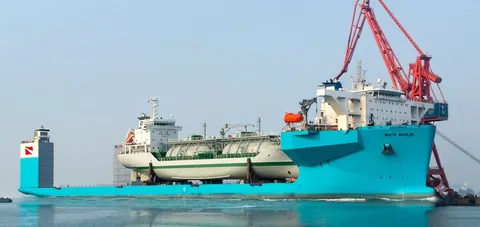
In the global maritime and shipbuilding industry, time is the ultimate currency. Shipyards are high-stakes environments where managing physical space, labor, and massive assets requires surgical precision
At the heart of this logistical puzzle lie two critical operations: Berth Planning and Drydock Planning. While they might seem like straightforward scheduling tasks on paper, efficient planning is what separates a highly profitable, smooth-running yard from one plagued by costly delays and bottlenecked infrastructure.
Here is a foundational guide to the basics of drydock and berth planning, exploring how shipyards maximize throughput and keep vessels moving.
Understanding Berth Planning: Managing the Waterfront
Berth planning involves allocating specific segments of the shipyard’s quay wall or outfitting piers to incoming vessels. Whether a ship is arriving for minor afloat repairs, undergoing post-launch outfitting, or waiting for sea trials, its placement must be strategically calculated.
Key Factors in Berth Allocation:
- Vessel Dimensions (LOA & Beam): The Length Overall (LOA) and width (beam) of the vessel dictate how much physical footprint it will occupy. Miscalculating this can block adjacent berths or restrict waterway traffic.
- Draft and Tide Constraints: A vessel’s draft (how deep it sits in the water) must safely clear the seabed at the berth, factoring in low tide cycles and the vessel's changing weight as equipment or fuel is loaded/unloaded.
- Resource and Crane Accessibility: Berth planning isn’t just about parking a ship; it’s about working on it. Planners must ensure that the vessel aligns perfectly with the reach and lifting capacities of quay cranes, and that shore power, gas, and water lines are readily accessible.
The Planning Challenge: Berth scheduling is highly dynamic. Weather delays at sea, supply chain hiccups for outfitting materials, or unexpected repair findings can instantly disrupt a meticulously planned schedule, requiring planners to dynamically adjust timelines to prevent yard congestion.
Drydock Planning: High-Stakes Precision
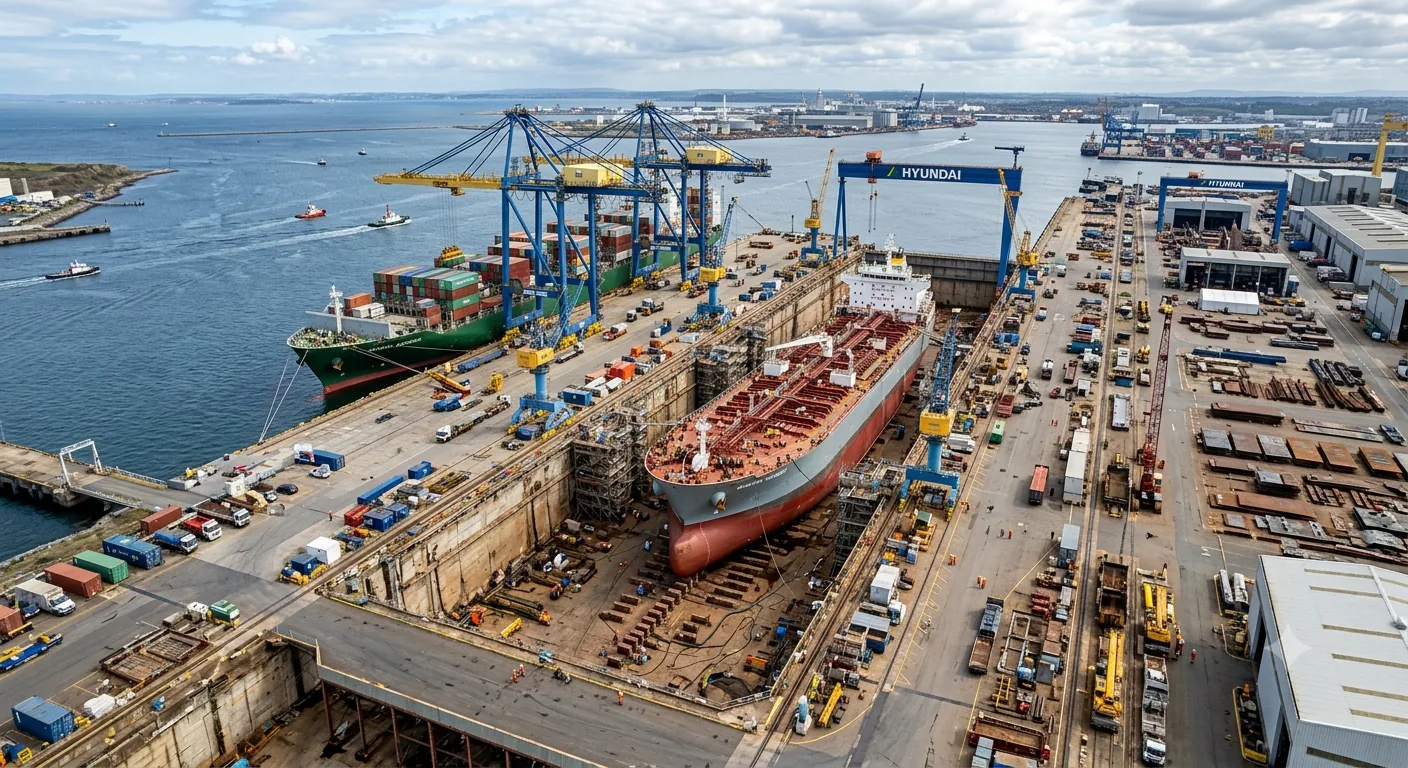
If berth planning is about managing two-dimensional space along a pier, drydock planning is a three-dimensional logistical challenge where structural safety is paramount. Taking a vessel out of its natural element (water) and resting its immense weight on physical structures requires rigorous engineering and absolute scheduling control.
The Pillars of Successful Drydock Planning:
A. The Docking Plan and Block Arrangement
Before a drop of water is pumped out of a graving dock or a floating dock is lifted, engineers study the vessel's Docking Plan. This blueprint dictates exactly where the hull can support weight without buckling.
- Planners configure a grid of concrete and timber keel blocks on the dock floor.
- The alignment must avoid hull appendages, sea chests, echo sounders, and sacrificial anodes.
B. Critical Path Management (CPM)
Drydocking is exceptionally expensive for ship owners, meaning the yard must minimize "dock days." Planners build the entire schedule around the Critical Path: the sequence of tasks that directly dictates the project's completion date. Typical critical path items include:
- Shaft line and propeller removal/overhaul.
- Major rudder and steering gear maintenance.
- High-pressure blasting and full-hull silicone painting coatings (which require strict humidity and temperature windows).
- Sea valve replacement.
C. Resource and Trade Balancing
A drydock is a magnet for overlapping trades. Steelworkers, painters, pipefitters, and marine electricians must work simultaneously without getting in each other's way. Excellent planning ensures that blasting grit doesn't contaminate freshly overhauled mechanical components, and hot work (welding) doesn't conflict with tank cleaning operations nearby.
The Integration: Syncing Berth and Drydock Schedules
In a premier shipbuilding or repair yard, berth and drydock planning cannot exist in silos. They are deeply co-dependent phases of a vessel's project lifecycle.
- Pre-docking berth: preparation, tank cleaning, and removing heavy items to manage draft/trim. Main constraints: crane reach, safe mooring, draft limits.
- Drydock phase: underwater line maintenance, structural repairs, major mechanical overhauls. Main constraints: block pressure capacities, weather windows for coating, high daily dock costs.
- Post-docking / outfitting berth: commissioning systems, final interior work, sea trial preparations. Main constraints: shore power availability, access for commissioning engineers.
An optimized yard schedule ensures that the moment a vessel finishes its drydock phase and the dock is flooded, an outfitting berth is vacant and ready to receive it. Simultaneously, the next vessel in line should be prepared at an adjacent berth, ready to immediately enter the vacated drydock. Any gap in this cycle results in unutilized yard capacity and lost revenue.
Where the Integration Actually Breaks
Consider a common failure: a vessel's undocking is delayed by three days because a hull coating inspection failed and needs re-blasting and re-painting in the right weather window. If the outfitting berth it was scheduled to move to has already been promised to the yard's next drydock candidate, the delay doesn't stay contained to one vessel, it cascades into a berth conflict that forces either the next docking to slip or a vessel to sit in a non-ideal temporary mooring. This is why experienced planners build float into the berth plan specifically around the drydock phase, the least predictable part of the cycle, rather than treating every berth transition as a fixed handoff.
Conclusion: The Backbone of Yard Efficiency
Ultimately, drydock and berth planning is less about managing ships and more about managing predictability. By utilizing advanced project management methodologies, robust scheduling software, and maintaining clear communication between project managers and operations teams, shipyards can turn logistical chaos into a finely tuned assembly line.
In an industry where a single day of delay can cost tens of thousands of dollars, masterful planning is the ultimate competitive advantage.
See also: Shipbuilding Project Lifecycle: An Overview, and Reading a Ship's General Arrangement for Planners.