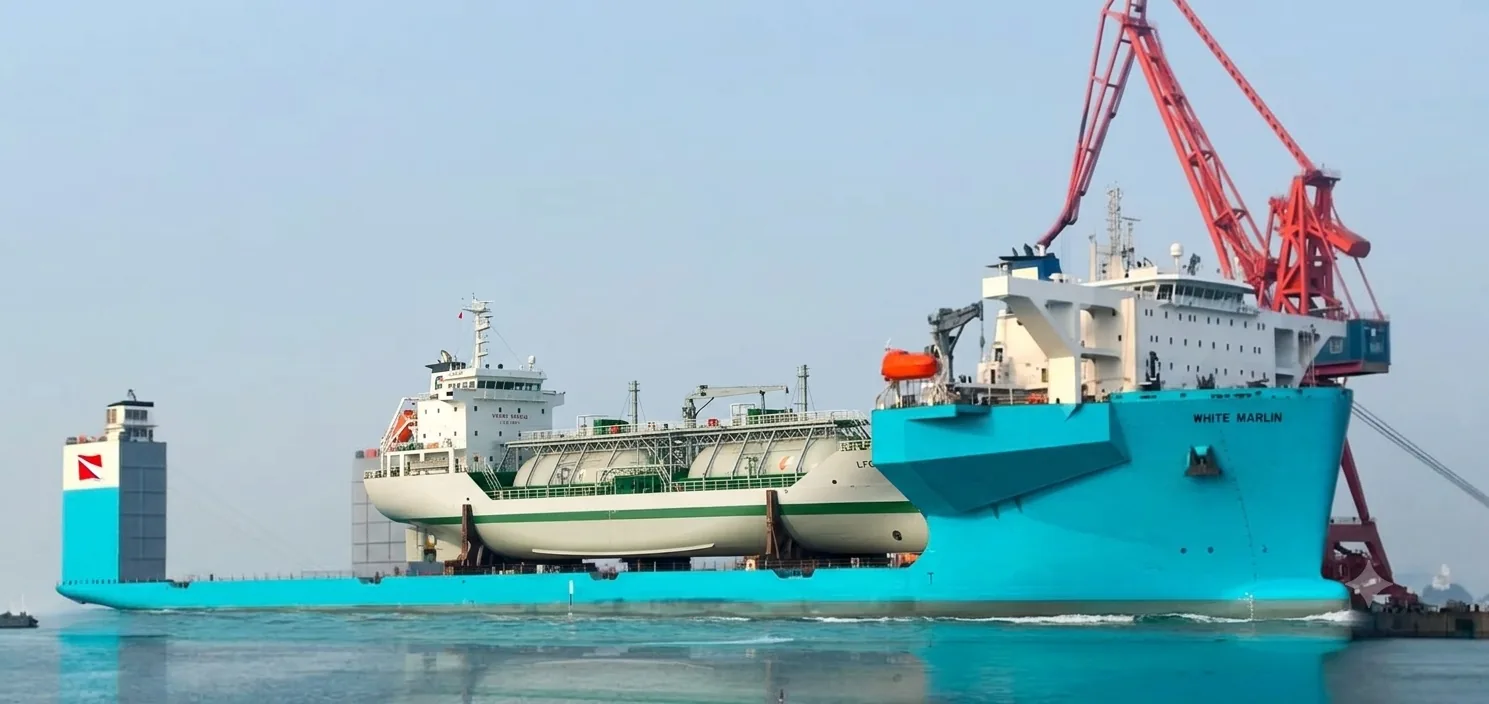
Sea trials are the newbuild's final exam. Treat them as a planned project phase, not a celebration, and delivery becomes a formality.
A vessel that passes dock trials with every system nominally functional can still fail sea trials for reasons that have nothing to do with any single piece of equipment being broken, a vibration signature that only appears at a specific combination of speed and load, a fuel consumption figure that's a fraction over guarantee at the contract speed, a maneuvering result that's technically within tolerance but draws a class comment anyway. Sea trials exist specifically to find the failure modes that only show up when every system is running together, under real conditions, which is exactly why treating them as a formality to get through rather than the actual test they are is how a "routine" trial turns into a multi-week rectification cycle.
What Dock Trials Are Actually For
Dock trials aren't a lighter version of sea trials, they're the filter that determines whether the vessel is even ready to go to sea. Running main and auxiliary machinery, steering gear, navigation and safety systems at the quay under controlled conditions is meant to catch the failures that are cheap to fix while still tied up, a loose connection, a calibration error, a software configuration issue, before the same failure costs a trial day and a re-scheduled slot with the owner and class both present.
The Trial Agenda Is a Contract Document, Not a Checklist
An agenda that lists tests without specifying acceptance criteria, required weather windows, and exactly which party is responsible for calling a test pass or fail invites disputes precisely when there's no time to resolve them, mid-trial with the vessel underway. Getting the owner, yard and class to formally agree the agenda, criteria and deviation-handling process in advance is what turns a borderline result during the trial into a pre-agreed procedure rather than an on-the-spot argument.
Endurance and Performance Trials: What the Numbers Actually Mean
Endurance trial duration and the specific performance parameters tested vary by vessel type, contract and class requirements, there's no single standard duration that applies universally, which is exactly why the contract's own trial specification, not a generic industry assumption, is what governs what "passing" means for a specific vessel. Speed and fuel consumption trials in particular need trial conditions (loading condition, weather, water depth) tightly controlled and documented, because a result that technically meets the guaranteed figure under favorable trial conditions but wouldn't in normal service conditions protects nobody when the vessel is actually operating.
What a Deficiency List Actually Needs
A post-trial deficiency list that just names the problem without categorizing it by whether it blocks class approval, blocks safe delivery, or can genuinely be deferred to a post-delivery punch list, forces every item into the same urgent queue regardless of actual severity. The items that matter for the delivery date are the ones tied to class or safety; conflating those with cosmetic or minor items on the same list is how a delivery date gets held hostage to something that never needed to block it.
What Actually Delays Delivery After Trials
- A deficiency is fixed but not re-verified against the original acceptance criteria. The corrective action addressed the symptom the surveyor noticed, not necessarily the specific parameter the test was measuring.
- Final documentation is treated as a wrap-up task instead of a parallel-track deliverable. As-built drawings, test reports and certificates that should have been assembled progressively get compiled from scratch after trials, right when the schedule has no slack left to absorb the delay.
- Crew familiarization is scheduled after trials rather than integrated into the trial period itself. The owner's crew's first real exposure to the vessel's systems happens under time pressure instead of as part of a planned handover.
- A scope dispute (is this item covered by the original spec or is it a variation) surfaces during rectification rather than being resolved through the contract's normal variation process, turning a technical fix into a commercial negotiation with the schedule caught in the middle.
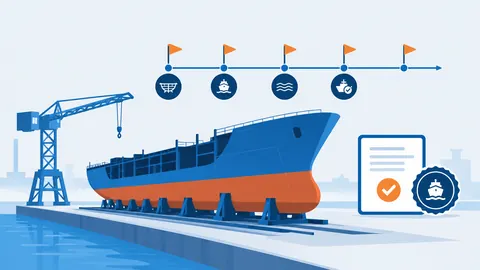
Delivery Is a Documented Handover, Not Just a Ceremony
The pre-delivery meeting, confirming every contractual condition is met and every remaining punch-list item has an agreed owner and date, is where the actual transfer of risk and responsibility gets settled. The ceremony that follows is genuinely just the ceremony; the substance of delivery is whether that meeting's confirmations hold up, and whether the post-delivery warranty and support arrangements were agreed and documented before the vessel left the yard's responsibility, not negotiated afterward under different leverage.
A sea trial and delivery process run as a planned project phase, with the agenda agreed in advance, documentation built progressively rather than compiled at the end, and deficiencies triaged by actual severity, turns what's often treated as the most stressful part of the project into what it should be: the confirmation of work that was already done correctly, not the discovery of work that wasn't.